
Why Sustainability Matters
Fast fashion is convenient—no one’s denying that—but 2026 is proving that eco-friendly fashion doesn’t have to be boring, expensive, or impossible to find. More brands are creating stylish, sustainable clothes that don’t cost the earth—literally. I still remember buying a jacket from a sustainable brand last year, thinking it would be all beige, boring, and feel like sandpaper. Instead, it was chic, soft, and ethically made. People actually complimented me on it, and I felt like I’d just hacked fashion without hurting the planet. Win-win.
Honestly, sustainability isn’t just a buzzword anymore—it’s a movement. Social media feeds are full of hashtags like #EcoChic, #ConsciousFashion, and #SustainableStyle. I follow a few accounts religiously, and sometimes I scroll for hours, just drooling over recycled-material outfits that look way more expensive than they are. The best part? Supporting these brands feels like voting for a better planet while still looking fabulous.
Materials That Make a Difference
The coolest part about sustainable fashion is the creativity in materials. Organic cotton, recycled polyester, and biodegradable fabrics are taking over. Some brands are even repurposing leftover fabric from luxury houses to make new collections. I read about a T-shirt made from recycled coffee grounds once—yes, coffee. I’m not sure I want to smell like espresso all day, but the idea is wild.
There are even brands experimenting with fabrics made from pineapple leaves, mushroom leather, and bamboo. It sounds sci-fi, but it’s real. I tried a mushroom leather jacket once—it smelled a little earthy, but honestly, I felt like I was in a post-apocalyptic chic movie. The fashion world is becoming this amazing mix of ethics and artistry, and it’s honestly inspiring.
Brands With a Mission
Sustainable brands often focus on more than just the materials. Fair wages, carbon reduction, and transparent supply chains are becoming the norm. I started following a few brands on social media, and their “behind-the-scenes” videos are surprisingly satisfying. One brand documented the journey of a recycled denim jacket from factory scraps to final product, and it honestly gave me goosebumps. Knowing your clothes were made responsibly just makes them feel… better.
Another brand I follow even has a program where they let customers send back old clothes to be recycled into new pieces. I tried it with a pair of jeans I hadn’t worn in years, and they actually gave me a small discount on a new eco-friendly skirt. Feels like getting rewarded for not being wasteful—it’s the kind of thing that makes you think, maybe sustainable shopping can actually be fun.
Styling Tips for Sustainable Fashion
Sustainable doesn’t mean dull. You can mix basics with statement pieces, layer creatively, and don’t be afraid to reuse or thrift. I once paired a recycled denim jacket with vintage boots, a thrifted scarf, and a hand-me-down sweater, and honestly, I felt like I’d unlocked a secret fashion cheat code. People asked where I got everything, and when I said “thrift store and sustainable brands,” they were genuinely impressed.
Tips for styling sustainable fashion in 2026: focus on versatility. Buy pieces that can be mixed and matched. A neutral eco-friendly blazer can go with jeans, a dress, or even a jumpsuit. Layering is your friend—throw a recycled scarf over a simple dress or tie it around your bag for extra personality. Accessories are another way to add flair without adding waste—statement necklaces, belts, or shoes can make reused pieces feel fresh.
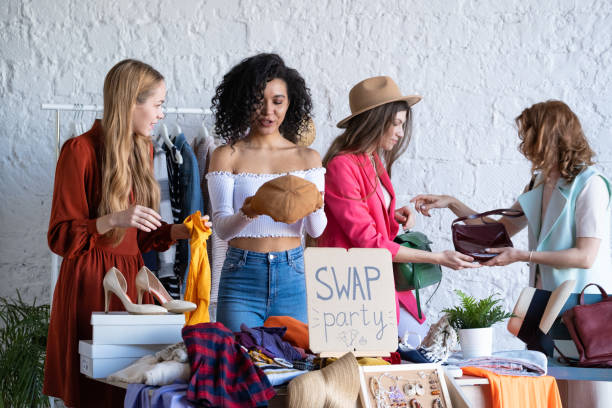
And let’s be honest: thrifting is basically treasure hunting. I’ve spent hours digging through racks only to find a vintage jacket that could pass as high-end. Combine that with sustainable basics, and suddenly your wardrobe is full of one-of-a-kind outfits that look amazing and are planet-friendly.
Social Media and the Sustainability Buzz
It’s impossible to ignore the social media aspect. Instagram reels, TikTok hauls, Pinterest boards—everywhere you look, people are sharing how they mix sustainable finds with trends. I’ve learned some hacks from watching creators, like dyeing thrifted items to match current trends or customizing vintage pieces with patches and embroidery. It’s not just fashionable; it’s creative and empowering.
Small Changes Add Up
Even small choices make a difference. Swapping synthetic fabrics for organic ones, choosing recycled accessories, or buying second-hand a few times a month may not feel revolutionary, but collectively, it really adds up. I once calculated how many fast fashion items I skipped in a year by switching to sustainable options—it was shocking how much waste I avoided.
Disclaimer
Sustainability claims vary. Some brands exaggerate their eco-credentials, so always check certifications, reviews, and transparency reports before buying. My experiences are personal and anecdotal, but they show that sustainable fashion is accessible, stylish, and doable.
Wrap-Up
Sustainable fashion in 2026 isn’t about giving up style—it’s about rethinking it. From eco-friendly materials and ethical production to clever thrifting and creative styling, there are endless ways to look amazing while doing good. If you’re willing to explore, experiment, and mix in some conscious choices, you can create a wardrobe that’s both stylish and planet-friendly. And honestly, it feels really good to look chic while feeling like you’re actually helping the world.