
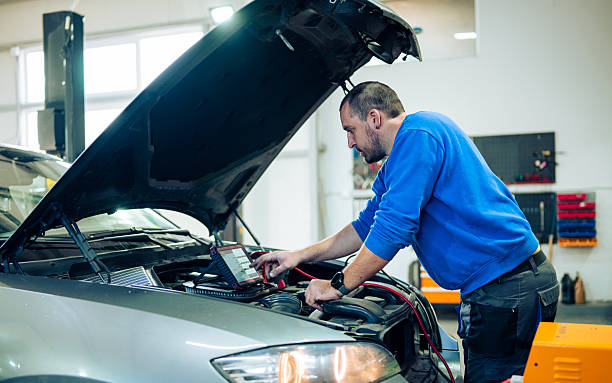
Keeping a car in top shape isn’t just about avoiding breakdowns—it’s about saving money, enjoying a smooth ride, and honestly, feeling a little proud every time you open the hood. I’ve owned a few cars over the years, some well-maintained, others… let’s just say I learned the hard way. In 2026, car maintenance is easier than ever if you know a few practical tips and make them part of your routine.
Regular Oil Changes Are Non-Negotiable
Oil is like the lifeblood of your car’s engine. Skipping changes might seem harmless for a few months, but over time, it’s a fast track to expensive repairs. I once ignored an oil change reminder because I was lazy, and within a few weeks, my engine started making weird noises. Lesson learned: follow the manufacturer’s schedule, whether it’s every 5,000 miles or as recommended in your manual.
Synthetic oils are popular now—they last longer, protect the engine better, and improve performance. If your car can handle it, switching to synthetic is a small investment for major peace of mind.
Keep Tires in Check
Tires are often overlooked until something goes wrong. Proper inflation improves fuel efficiency, safety, and ride comfort. I like checking my tire pressure once a month—simple, quick, and it saves wear and tear.
Rotate tires regularly too. Front and rear tires wear differently, and rotating them every 6,000–8,000 miles can extend their life. Don’t forget the alignment! Misaligned wheels can mess with steering, reduce tire lifespan, and even affect gas mileage.
Don’t Skip Fluid Checks
Oil isn’t the only fluid that matters. Coolant, brake fluid, transmission fluid, and windshield washer fluid all play critical roles. I once ignored a minor coolant leak, thinking it was harmless, until my engine overheated one summer—embarrassing and expensive.
Checking fluid levels is easy and doesn’t require a mechanic every time. Just know the recommended intervals and top off or replace when needed. In 2026, some cars even have smart sensors that notify you when fluids are low—technology makes this so much easier.
Brakes Are Serious Business
Brakes are not optional—they’re literally safety devices. If you hear squealing, grinding, or notice reduced responsiveness, get them checked immediately. I remember riding my brakes a bit too aggressively once, thinking it was fine… until I felt that scary vibration on a steep hill. Regular brake inspections prevent dangerous situations and expensive repairs.
High-quality brake pads may cost more upfront but last longer and improve stopping power. Safety is worth it.
Battery Care and Electrical Health
Car batteries degrade over time, and a dead battery can ruin your day. Test your battery yearly, especially if your car is older than three years. Clean corrosion from terminals and check that cables are tight. I once had my car fail to start in freezing weather because I neglected battery maintenance—it was a painful morning.
Modern cars have lots of electronics, too, from infotainment to sensors. Keeping them in check and avoiding aftermarket gadgets that drain power can help preserve your battery life.
Clean Your Car Inside and Out
Appearance isn’t just vanity—it actually helps maintain your car. Regular washes prevent rust and paint damage, and waxing adds a protective layer. I like doing a monthly deep clean, inside and out, even if it feels excessive.
Interior care matters as well. Vacuuming, using protectants on leather or vinyl, and avoiding food spills prevent long-term damage and keep your car feeling new. A clean cabin also reduces wear on controls, pedals, and seats.
Listen to Your Car
Cars communicate if something’s wrong. Weird noises, vibrations, or warning lights shouldn’t be ignored. I’ve learned that the earlier you address a minor issue, the cheaper and less stressful the repair.
2026 cars have diagnostic tools, apps, and OBD-II scanners that can help identify issues before they become major problems. Technology has made maintenance smarter, but paying attention to your car’s “mood” is still critical.
Drive Smart
How you drive affects longevity. Aggressive acceleration, hard braking, and excessive speeding increase wear on engines, brakes, and tires. I try to drive smoothly, use cruise control on highways, and avoid short, stop-and-go trips that stress the engine.
Even small habits, like warming up your car in cold weather and avoiding heavy loads unnecessarily, extend the life of your vehicle.
Keep Records and Schedule Maintenance
A simple yet often ignored step is record-keeping. Note every service, repair, and part replacement. I have a folder in my car with receipts and service logs—it’s a lifesaver when reselling or diagnosing issues.
Scheduled maintenance, as recommended by your manufacturer, is your best friend. Skipping it might save time in the short term but often costs way more later.
Final Thoughts
Keeping your car running like new isn’t rocket science—it’s a mix of regular checks, smart driving, and a little TLC. Even in 2026, with smart sensors and apps making maintenance easier, old-school habits like checking oil, tires, and brakes still matter.
A well-maintained car saves money, prevents headaches, and honestly makes driving more enjoyable. I can say from experience: a car that feels new and responsive adds a little joy to daily commutes and road trips alike.