
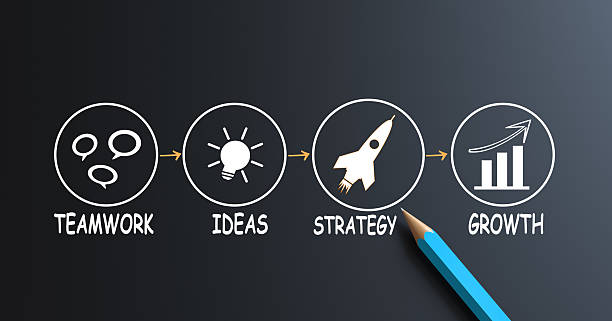
Why Scaling Feels Like Magic and Panic at the Same Time
Scaling a startup is weird. One moment, you’re celebrating your first few sales and feeling like a genius. The next, you’re staring at spreadsheets thinking, “Wait… how do I handle ten times more customers without losing my mind?” I’ve been there. Honestly, that’s why scaling fast is both exciting and terrifying. But here’s the thing—it’s less about luck and more about smart moves that actually work in the real world.
Scrolling through Twitter or LinkedIn, you’ll see founders sharing wild scaling stories. Some sound like fairy tales: one day a tiny Shopify store is making $500 in sales, and the next, they’re shipping internationally with a small remote team. But behind every success, there’s strategy, mistakes, late nights, and countless iterations. Scaling isn’t magic—it’s messy, creative, and relentless.
Focus on Core Strengths First
It’s tempting to chase every opportunity that comes your way. I’ve made that mistake myself—trying to do too much, too fast, and ending up overwhelmed. Startups that scale quickly usually double down on what they’re already good at. Identify your core product or service and make it bulletproof. Don’t spread yourself thin trying to be everything to everyone.
I once saw a startup launch with five products at once. Customers got confused, the team burnt out, and sales tanked. It was painful but informative. Contrast that with another company I followed online—they focused on perfecting one flagship product first, got customer feedback, iterated quickly, and then expanded. Simplicity wins every time. Social media is full of threads analyzing “failed launches” versus “smart scaling,” and the pattern is consistent: focus matters.
Invest in People, Not Just Tech
Tech is awesome, but without a capable team, scaling becomes a nightmare. Hire people who get your vision, even if it means paying a bit more. Your team is the engine behind growth—not some automated system. I’ve seen founders pour money into fancy software but neglect hiring, and the result is chaos. Conversely, a friend of mine brought in a superstar hire who basically saved their startup from spiraling. The impact was huge.
Great teams multiply your efforts. Whether it’s a remote-first crew or a small in-office group, people who understand your culture, priorities, and processes are invaluable. Online forums and LinkedIn posts are filled with founders swearing by key hires who “changed everything.” Talent isn’t just about skills—it’s about fit, energy, and the ability to execute under pressure.
Automate Repetitive Tasks Early
Automation is underrated. Think about all the things you do manually: sending follow-up emails, updating spreadsheets, tracking inventory, reconciling accounts. It’s tedious, time-consuming, and a perfect candidate for AI or software. I know, automating sounds boring, but it’s honestly like hiring a bunch of invisible employees who don’t complain.
I followed a startup online that scaled 3x faster simply because they automated repetitive processes early on. The team could focus on growth, marketing, and strategy rather than drowning in admin. Social media is full of similar case studies: founders sharing the “automation stack” that saved their sanity. Even small fixes, like automating customer onboarding emails, can prevent headaches when scaling rapidly.
Build Systems That Don’t Depend on You
Founders often fall into the trap of being the bottleneck. If everything depends on you, scaling becomes impossible. Set up processes, SOPs, and checklists so your team can operate without you micromanaging. I still remember a conversation with a founder who said, “I finally slept through the night because my team could run the business without me yelling.” That’s the dream. Systems let you grow without losing your sanity.
Documenting workflows might feel tedious, but it’s critical. Even short videos explaining tasks, shared drives, and clear communication channels prevent missteps. Scaling is messy enough—systems reduce the chaos. I’ve seen TikTok videos where founders showcase their “office hacks” and SOP setups, and honestly, some are genius ideas you can implement immediately.
Measure Everything, Adjust Quickly
Scaling isn’t about guessing. Track metrics, analyze results, and pivot fast if something isn’t working. I’ve seen startups obsess over vanity metrics like social media likes while missing what really matters: revenue, retention, and customer happiness. Keep an eye on the numbers, and don’t be afraid to make changes quickly.
One friend told me they monitored conversion rates daily and realized a tiny tweak in their checkout process increased sales by 15%. Fast iteration is your best friend when scaling. Online communities are full of founders comparing dashboards, KPIs, and tools to optimize growth—proof that learning from others is as important as personal trial and error.
Bonus: Don’t Forget Mental Health
Scaling fast is stressful. Sleep, breaks, and mental health matter. I’ve seen founders burn out in weeks because they didn’t step back. Social media trends show more conversations now about founder well-being, and honestly, ignoring it is a shortcut to disaster. Even five minutes away from screens, short walks, or talking to a mentor can prevent catastrophic mistakes.
Disclaimer
I’m not a business consultant—just someone who’s watched startups flounder and succeed. These strategies work in many cases, but every startup is different. Always evaluate your unique situation and adapt accordingly.
Wrap-Up
Scaling a startup isn’t magic, but it can feel like it when done right. Focus on core strengths, invest in the right people, automate tedious tasks, build processes that work without you, and measure everything. Add a dash of self-care, iterate quickly, and stay flexible. Follow social media trends, learn from peers, and don’t be afraid to make mistakes—they’re part of the growth journey. The faster you implement smart strategies, the faster your startup can grow without collapsing under its own success.