
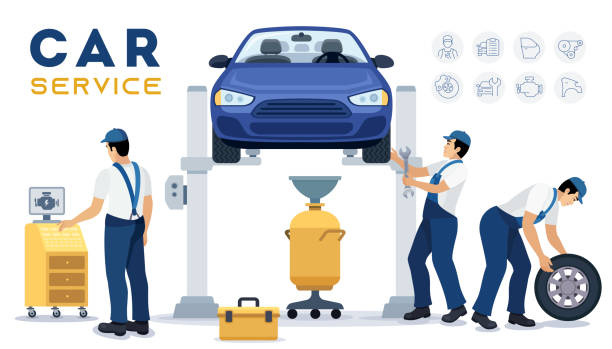
Why Vehicle Maintenance Actually Matters
Okay, let’s be real for a second—most of us treat our cars like that one friend we only call when we need something. We ignore the little signs, skip the checkups, and then act surprised when something breaks down. But the truth is, maintaining your vehicle isn’t just about avoiding expensive repairs. It’s about keeping it running like it’s supposed to, saving fuel, avoiding embarrassing roadside drama, and honestly, feeling like you know what you’re doing. I once drove 20 minutes to the grocery store with a dashboard warning light blinking like a Christmas tree before realizing my oil was almost gone. Not my proudest moment.
Regular Oil Changes Aren’t Just Suggestions
This one sounds basic, but seriously, don’t sleep on oil changes. Oil is like the lifeblood of your engine—it keeps everything lubricated, stops parts from grinding, and prevents your car from overheating. I know it’s tempting to push it a few hundred miles past the recommended mileage because, hey, life’s busy. But trust me, skipping it even once can make future repairs way worse. And no, the “synthetic oils last forever” memes are only half-true. Changing it regularly is still the best way to avoid that gut-wrenching moment when your car refuses to start.
Keep Your Tires in Check
Tires are another thing people kinda ignore until they’re flat or bald. Properly inflated tires don’t just save gas, they actually keep you safer. Uneven wear can mess with alignment, affect braking, and even make your steering weird. I remember my cousin bragging about how long his tires lasted and then sliding into a parking lot curb because of low pressure. Don’t be like my cousin. Rotate your tires, check the pressure, and yes, even look at the tread once in a while. It’s not glamorous, but it works.
Brake Like You Mean It
Brakes are kind of a big deal. You can’t exactly drive safely if your brakes are whispering “maybe” instead of doing their job. Listen for squeaks, feel for sponginess in the pedal, and get them checked regularly. I once ignored a tiny squeal for a few weeks thinking, “It’ll go away.” Spoiler: it did not. Had to replace the whole set, which could’ve been avoided. Brakes are one of those things where a tiny effort now saves a ton of money and stress later.
Fluid Levels: The Unsung Heroes
Besides oil, there’s coolant, brake fluid, transmission fluid, windshield washer fluid… the list goes on. These things don’t get the spotlight but are critical for peak performance. Low coolant can overheat your engine, low brake fluid can make stopping sketchy, and low transmission fluid? Let’s just say your car won’t shift smoothly, and that’s an experience you don’t want. I usually just check these once a month while making my coffee. Easy multitasking hack.
Air Filters and Fuel Filters Matter Too
This one always surprises people. Clean air filters improve your fuel efficiency and help your engine breathe. A dirty one makes the car work harder, which is basically like trying to run a marathon with a pillow strapped to your face. Fuel filters do something similar—they keep contaminants out of your engine. I forgot to change mine once and noticed a rough idle for weeks before realizing it. Lesson learned: small parts can make a big difference.
Battery Health Isn’t Optional
Nothing kills a morning faster than a dead battery. Extreme weather makes batteries act up, so check yours, clean the terminals if needed, and replace it every few years. I keep jumper cables in the trunk now because Murphy’s law guarantees the moment I don’t, I’ll need them. Also, modern cars have fancy electronics that can slowly drain a battery if left sitting, so don’t ignore those little warning signs.
Listen to Your Car
I swear, your car talks to you if you pay attention. Weird noises, unusual vibrations, warning lights—they’re all hints that something’s off. Pretending you didn’t hear that squeak or shake is tempting, but it rarely ends well. Treat it like a pet: notice the small signs and act before it becomes a crisis.
Driving Habits Affect Performance Too
Even if you maintain everything perfectly, bad driving habits can wreck performance. Hard accelerations, slamming brakes, excessive idling, or carrying unnecessary weight all take a toll. I’m guilty too—I’ve floored it in a parking lot when no one was around. Cars are resilient, but they’re not invincible. Gentle driving keeps everything happier, longer.
Schedule Professional Checkups
DIY maintenance is great, but some things are better left to the pros. Timing belts, complex electronics, suspension checks—having a professional look every year or two can prevent bigger issues. Think of it as a health check-up for your car. You wouldn’t skip your own, right? Your car deserves the same care, even if it can’t beg for it.
Disclaimer
I’m not a mechanic, and this isn’t professional advice. Everyone’s car is different, and issues can vary. Follow your manufacturer’s manual, check with certified mechanics, and don’t ignore warning signs. This is just a casual guide from someone who’s had a few too many “oops” moments on the road.
Keep It Clean, Inside and Out
Lastly, cleaning your car isn’t just for Instagram photos. Dirt, grime, and road salt can damage paint and even parts under the hood over time. I’ve seen cars that looked fine but had rust creeping under panels because nobody bothered to wash them regularly. Washing, waxing, and vacuuming keeps your ride looking and feeling better, which is surprisingly satisfying.
By following these habits—checking fluids, monitoring tires, listening to your car, keeping the battery healthy, and driving wisely—you can keep your vehicle performing at its best. It’s like a little investment: a bit of effort now saves you from huge headaches later, and makes driving actually enjoyable instead of stressful.