
Superfoods Aren’t Just Hype
Let’s get one thing straight: superfoods aren’t magic, and eating kale every day won’t make you fly. But in 2026, incorporating superfoods into your diet can actually make a noticeable difference in energy, immunity, and overall health. I used to think “superfoods” were just Instagram buzzwords, but after experimenting with a few over the past year, I noticed real changes—less sluggishness, fewer random sugar crashes, and even better focus during work.
Online communities are buzzing with people sharing their “superfood hauls” and recipes. Some of it is borderline obsessive, like smoothie bowls with a dozen ingredients, but the truth is, you don’t need to go overboard. Adding a few nutrient-dense foods strategically is enough.
Leafy Greens: The OG Superfoods
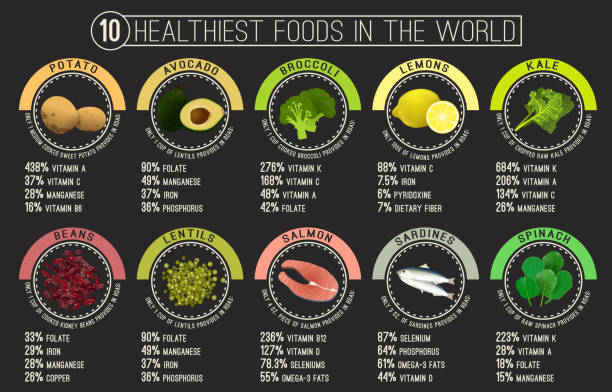
Spinach, kale, collard greens, and Swiss chard are packed with vitamins, minerals, and fiber. I personally started adding a handful of spinach to my morning omelet, and it’s barely noticeable taste-wise but makes me feel like a health guru. Ironically, I still eat pizza occasionally, but pairing it with a side salad balances the guilt a little. Leafy greens are simple, cheap, and versatile—saute, steam, or toss them raw.
Berries: Tiny But Mighty
Blueberries, strawberries, raspberries, and blackberries are loaded with antioxidants. I like adding them to my oatmeal or smoothies. Once, I tried a berry chia pudding, and honestly, it tasted like dessert—but I was technically eating “superfoods.” Social media trends show berry bowls everywhere, sometimes layered so perfectly it’s almost criminal not to Instagram them. Pro tip: frozen berries are just as good and way cheaper.
Nuts and Seeds: Snack Smarts
Almonds, walnuts, chia seeds, flaxseeds—you name it. These tiny powerhouses are full of healthy fats, protein, and fiber. I toss a spoonful of chia seeds in my yogurt, and it swells like magic overnight. Walnuts in a salad or almonds as a snack are easy ways to get nutrients without thinking too hard. Just don’t go overboard—calories add up faster than you realize.
Whole Grains: Slow Energy for Busy Days
Quinoa, oats, brown rice, and farro provide fiber, protein, and sustained energy. I replaced white rice with quinoa in a few meals, and my energy levels were steadier throughout the day. Pro tip: cooking in bulk saves time. A batch of quinoa or oats can be used in salads, bowls, or breakfast meals. Social media influencers love posting “superfood grain bowls,” and honestly, it looks intimidating—but it’s really just smart meal prep.
Legumes: Protein and Fiber Combo
Beans, lentils, chickpeas, and peas are underrated superfoods. I started adding chickpeas to my salads and roasted them with spices for a crunchy snack. The fiber keeps you full, the protein keeps you energized, and they’re insanely cheap. I’ve even seen TikToks where people make bean-based brownies—yes, brownies. Weird? Maybe. Delicious? Absolutely.
Fatty Fish: Omega-3 Boost
Salmon, sardines, mackerel—these are gold for brain and heart health. I used to avoid fish because, well, smell. But in 2026, ready-to-cook portions and air-fryer recipes make it manageable. A quick 15-minute bake, and dinner is sorted. Fun fact: Omega-3s can help with inflammation, focus, and even mood. So that salmon bowl is doing more than just keeping you full—it’s basically a mini health upgrade.
Avocados: Creamy and Green
Avocados aren’t just Instagram decor. They’re full of healthy fats, fiber, and vitamins. I spread avocado on toast, toss it in salads, or blend it into smoothies for creaminess. Honestly, it feels decadent while still being good for you. And let’s be real—avocado toast photos are basically a requirement for social media credibility.
Fermented Foods: Gut Goals
Yogurt, kimchi, sauerkraut, kefir—fermented foods are trending for good reason. Gut health affects digestion, immunity, and even mood. I started adding kimchi to stir-fries and noticed less bloating after meals. Pro tip: probiotics aren’t a magic pill, but consistent inclusion helps. Online forums are full of gut-friendly recipe swaps, which are fun to try if you like experimenting.
Dark Chocolate and Green Tea: Treats That Help
Yes, you can indulge. Dark chocolate (70%+) and green tea are technically superfoods. I treat myself to a square of dark chocolate after lunch—it’s mood-boosting and technically healthy. Green tea replaces my mid-afternoon coffee sometimes, giving caffeine plus antioxidants. These little hacks make “healthy” feel less like punishment.
Incorporate, Don’t Obsess
The key to superfoods is balance. You don’t need a pantry full of exotic ingredients. Mix and match based on availability, budget, and taste. I’ve found that rotating a few superfoods into daily meals works better than trying to force a “superfood salad” every day. Your body will thank you, and you won’t feel like you’re living in a health cult.
Disclaimer
I’m not a dietitian or nutritionist. These tips are based on personal experience, experimentation, and online research. Individual results may vary, and always consult a professional for specific dietary concerns.
Wrap-Up
In 2026, superfoods are accessible, versatile, and genuinely beneficial if you use them smartly. Leafy greens, berries, nuts, whole grains, legumes, fatty fish, avocado, fermented foods, and even small treats like dark chocolate or green tea can help improve energy, digestion, and overall well-being. Start small, rotate your favorites, and make it fun. Eating well doesn’t have to be a chore—it can actually taste amazing while keeping your body and mind in top shape.